
Authors:
Maureen Braen CPXP, CDP – Founder, Rise Dementia Care (https://www.risedementiacare.com/)
Olan Soremekun MD MBA – Medical Director, NexStep Health (https://www.nexstephealth.com/)
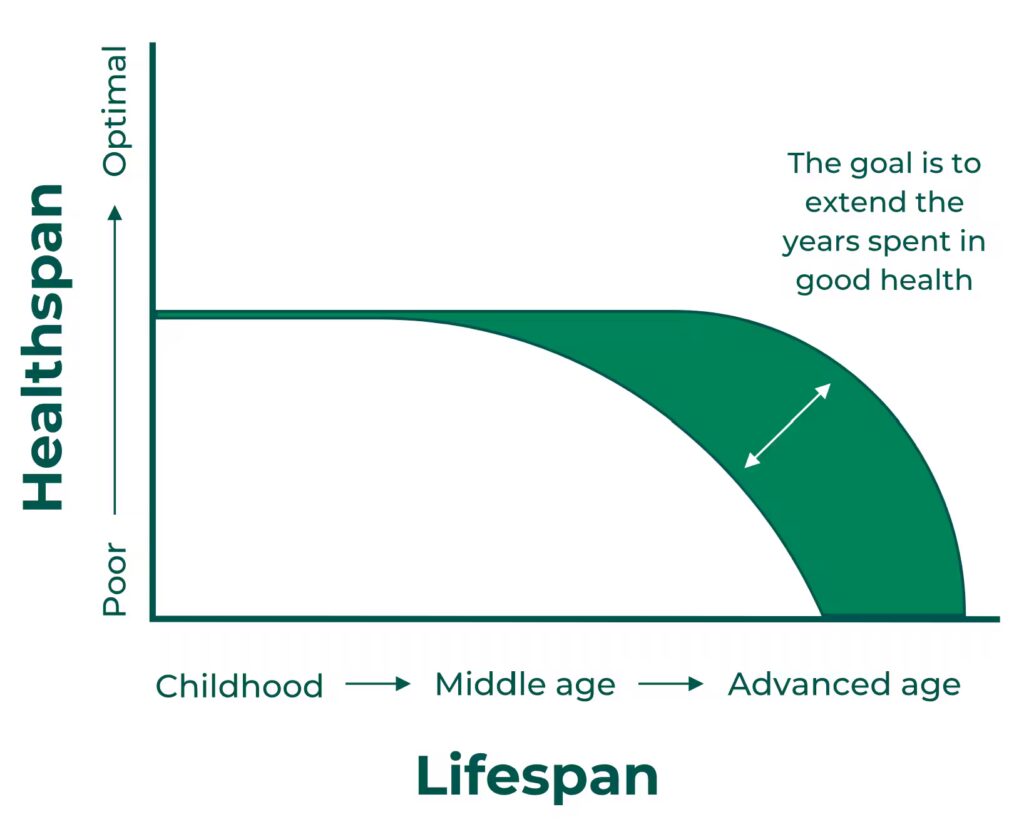
Introduction – The Shift from Lifespan to Healthspan
Today, Americans are living decades longer than past generations yet many spend their final years managing chronic illnesses, juggling multiple medications, or relying on others for daily tasks. Most of us focus on how long we live. But the real question is: how well are we living those extra years?
While we can’t change our genetics, research shows that more than 60% of our healthspan (how well we live) is shaped by lifestyle, environment, and social connection.
The six areas that follow reflect what research, and real-life experience continue to show: small, consistent actions in movement, nutrition, sleep, connection, and prevention can add life to our years and protect both body and brain.
Six Daily Choices That Matter Most to your Healthspan (in your 50s and 60s)
1. Monitor, Measure, and Understand your Body
You can’t improve what you don’t measure. Paying attention to your body’s signals and tracking your health metrics over time is one of the smartest ways to extend your healthspan.
Research consistently shows that self-monitoring improves health outcomes. Studies in JAMA and The Lancet have found that adults who track their activity, sleep, and weight sustain healthier habits and see measurable improvements in cardiovascular and metabolic health.
Simple biofeedback tools make this easier than ever. Monitoring your activity, sleep, stress, and nutrition helps you understand how your body responds to your daily choices — and gives you the data to make better ones. Insight fuels change. The more you understand your body, the more effectively you can protect and strengthen it.
Try this:
- Weigh yourself and check your blood pressure at least once a week — track the numbers, not perfection.
- Use wearables like the Apple Watch, Fitbit, or Oura Ring to monitor your steps, heart rate, and sleep. Review and notice how small changes in exercise, meals, or stress affect your metrics, energy, and focus.
2. Stay Active and Build Strength for Body and Brain
We all know the basics: exercise is good for your heart. The American Heart Association recommends at least 150 minutes of moderate-intensity activity each week for cardiovascular health. Exercise isn’t just about heart health, it’s also one of the most powerful tools we have for brain health. Neuroscientist Wendy Suzuki explains that regular movement improves mood, sharpens focus, and stimulates the growth of new brain cells in areas like the hippocampus and prefrontal cortex, areas of the brain critical for memory, decision-making, and emotional regulation. Exercise also acts as a natural stress reliever and mood enhancer, helping the brain stay resilient while reducing stress hormones and boosting feel-good neurotransmitters.
But two elements of movement are often overlooked — and both are also critical for extending your healthspan, not just your lifespan.
The first is your baseline daily activity. Even if you exercise a few times a week, long stretches of sitting or limited movement can still raise your risk of chronic disease. Studies show that averaging fewer than 5,000 steps per day is considered sedentary, while consistently reaching 8,000–10,000 steps is linked to lower mortality, better cardiovascular outcomes, and improved cognitive function.
The second is resistance training. Strength work isn’t just for athletes — it’s essential for maintaining muscle, balance, and bone density. After age 50, we naturally lose 1-2% of muscle mass each year, accelerating frailty and fall risk. Regular strength training after 50 helps preserve independence, improves metabolism, and supports brain health by enhancing circulation and reducing inflammation.
Try this:
- Two sessions of resistance or strength training each week can dramatically reduce your risk of falls and frailty.
- Aim for 8,000–10,000 steps per day. Use a smartwatch or phone to track your baseline movement and build more walking, stairs, or light activity into your day.
Movement is medicine and strength is your best predictor of independence.
3. Protect Your Sleep and Manage Stress
Chronic stress and poor sleep accelerate inflammation — the root cause of many age-related diseases.
But beyond physical health, restorative sleep is vital for brain repair. During deep sleep, the brain performs one of its most important jobs: cleanup. The glymphatic system goes to work, flushing away toxins and waste that build up during the day. When we don’t get enough deep, restorative sleep, those waste products linger, leaving us feeling foggy, forgetful, or drained. Deep sleep is when the brain resets, repairs, and restores clarity, steadier mood, and emotional balance for the day ahead. Deep, consistent rest allows both body and brain to reset, a kind of built-in maintenance that keeps us resilient.
Chronic tension also interferes with sleep. Stress keeps cortisol high, which disrupts that restorative cycle. Managing stress during the day protects your rest at night.
Try this:
- Create a calming wind-down routine that tells your brain it’s time to rest. Dim the lights, lower the temperature, and disconnect from screens at least 30 minutes before bed. Try reading, or jotting down thoughts for tomorrow. These small cues help your body ease into deep sleep, where the real repair happens.
- Listen to soothing music, write in a journal to release the day’s worries, or spend a few quiet minutes visualizing a peaceful place.
Make rest a priority. Aim for 7–8 hours of quality sleep, and adopt stress-reduction routines that fit your life — meditation, deep breathing, walking outdoors, or simply saying “no” more often. These intentional pauses can often reset your nervous system and calm your thoughts.
Quality sleep and calm are not just indulgences, they are essential investments in long-term healthspan.
4. Eat for Longevity, Not Restriction: The Mediterranean way to aging well
Forget fad diets. A long, healthy life is built on balance. The Mediterranean diet — rich in vegetables, fruits, whole grains, olive oil, and lean proteins — is consistently linked to longer healthspans and sharper cognition. But it’s really less of a diet and more of a way of eating and living. It celebrates food that’s fresh, simple, and shared, often enjoyed with family and friends around the table.
This style of eating is proven to support more than brain health. It also reduces the risk of diabetes, high blood pressure, and elevated cholesterol, all modifiable factors that influence how we age. The focus is on nourishment, not restriction: choosing foods that sustain energy, reduce inflammation, and protect both heart and mind.
Equally important, the Mediterranean approach values connection. Mealtime becomes a daily ritual, a time to pause, be with those we care about, and connect. Sharing food can lower stress, improve digestion, and lift mood. Eating this way feeds both the body, brain, and the soul.
Pro tip: Think color and variety on your plate. The more natural color, the more antioxidants protecting your cells.
Eating for longevity isn’t about strict rules, it’s about joy, variety, and connection. Food is fuel, but it’s also culture, memory, and love, the kind that sustains health and happiness for years to come.
5. Stay Socially Connected
One of the most powerful predictors of longevity isn’t a lab test — it’s social connection. Studies show that social isolation increases the risk of dementia, depression, and even heart disease. Relationships are medicine. When we engage with others, our brains light up, conversation, laughter, and shared activity stimulate multiple brain networks involved in memory, attention, and emotional regulation. Social engagement not only strengthens cognitive reserve but also protects against decline.
Connection doesn’t have to be large or elaborate. Small, consistent interactions provide meaningful boosts to mood, motivation, and brain health.
Right now, in your 50s and 60s, you likely have a rich network through family, work, and long-term friendships. These connections form the foundation for healthy aging. This stage of life often brings personal and professional successes with the chance to give back — serving on boards, mentoring younger colleagues, helping care for grandchildren, or contributing to causes that align with your values. These activities build continuity, meaning, and resilience that carry into your 70s, 80s, and beyond.
Try this:
- Prioritize meaningful connections. Make time each week to meet, call, or check in with friends, family, or colleagues.
- Plan your next chapter. Think ahead about how you want to stay involved, purposeful, and connected beyond your formal career years.
Think of these interactions as daily doses of wellness, as vital as movement, sleep, or nutrition. The payoff is as real as any prescription.
6. Be Proactive About Your Healthspan
Routine screenings and personalized care can make the difference between simply adding years and adding life to those years.
Start with Proven Prevention – Screen, Detect, and Stay Ahead
The majority of illnesses and their complications such as heart disease, stroke, and cancer that shorten our healthspan can often be delayed or prevented through early detection and proactive care. Preventive health is far more than an annual check-up.
Dr. Kellyann Niotis and Dr. Richard Isaacson, leaders in preventive neurology, research shows that prevention starts well before symptoms appear. The same habits that protect your heart and metabolism also protect your brain. Preventive neurology focuses on identifying personal risk factors early and creating a plan that supports long-term resilience for both body and mind.
Research shows that adults who follow age-appropriate screening guidelines can reduce their risk of premature death by up to 30–40%, largely by catching disease before symptoms appear (JAMA, 2022, Link to full article).
Staying current with recommended screenings is one of the most impactful steps you can take for your healthspan.
Recommended Screenings by Decade (general guidance):
- 40s and beyond: Colonoscopy (every 10 years), mammogram or prostate screening, lipid panel, blood glucose, blood pressure checks.
- 60s and 70s: Bone density (DEXA) testing,hearing and vision screening, fall risk and balance assessments, vaccination review (flu, shingles, pneumonia).
Personalize Your Prevention and Partner with a Physician Who Sees the Whole Picture
Once you’ve covered the basics, the next step is personalized and precision health. Advances in precision medicine now make it possible to go beyond population-based screening guidelines. Precision health testing can uncover risks unique to you.
Examples of Personalized Approaches:
- Genetic and biomarker testing to uncover hidden risk factors.
- Advanced imaging or inflammatory marker analysis to assess heart and brain health.
- Nutrient, hormone, or microbiome testing to guide individualized nutrition and lifestyle plans.
Some of these innovations are well-supported by evidence, while others are emerging and may not yet be covered by insurance or offered in traditional primary care settings.
Partnering with a physician who truly knows you, looks beyond the numbers, and connects the dots between your heart, brain, sleep, and emotional wellbeing to create a care plan that feels both personal and purposeful. It’s the balance of evidence-based prevention and individualized attention, the best of both worlds for living not just longer, but better.
Try this:.
- Find a doctor who treats your yearly checkup as a conversation, not just a checklist and creates a care plan that is personalized to you and connects all the dots.
- Protect hearing and vision; sensory loss can accelerate both physical and cognitive decline.
Being proactive isn’t about fear, it’s about intention. The choices you make today can extend your healthspan tomorrow, preserving strength, clarity, and joy in the years ahead.
These six habits remind us that healthspan isn’t about doing everything perfectly, it’s about doing what matters consistently. Start small. Choose one change that feels doable, an extra walk, a better night’s sleep, or cooking one more meal at home and build from there. Small steps practiced with intention create momentum and lasting impact. Every choice to move, rest, eat well, connect, or reflect is a quiet investment in tomorrow’s strength, clarity, and joy. Together, they form the foundation for a life that feels full, active, and resilient.
Summary
The new longevity isn’t measured in years, but in meaning. Extending lifespan is one thing; extending healthspan the years lived with vitality, independence, and purpose is the true goal.
When we care for the body and brain together, nurture relationships, and stay curious about life, we create the conditions for thriving at every stage. The future of aging well is already here and it starts with how we live today.
